The Curious Absence: Why Mont Blanc Accidents Aren't in Your Local US Reports
If you’ve ever tried searching for information regarding an accident Mont Blanc in your local state or county accident report database, you’ve likely come up empty-handed. This isn't a glitch in the system or a sign of poor record-keeping; it's a fundamental truth about geographical jurisdiction and the scope of local reporting. While comprehensive accident data is crucial for safety and legal purposes, its availability is always tied to the physical location where the incident occurred. This article delves into why you won't find Europe's highest peak in a South Carolina traffic report and where you should look instead for information on mountaineering incidents.
The vast majority of accident reports collected at the state, county, or municipal level in the United States are focused on events that occur within their specific borders. These databases primarily track incidents such as vehicular collisions, workplace accidents, home injuries, and other mishaps that fall under local law enforcement or emergency services' purview. As our research into various US accident report archives confirms, including those for South Carolina, Kansas City, MO, and Hillsborough County, FL, searches for an accident Mont Blanc consistently yield no relevant results. This isn't surprising when you consider the mountain's actual location.
The Geographic Disconnect: Why Local US Reports Don't Feature Mont Blanc
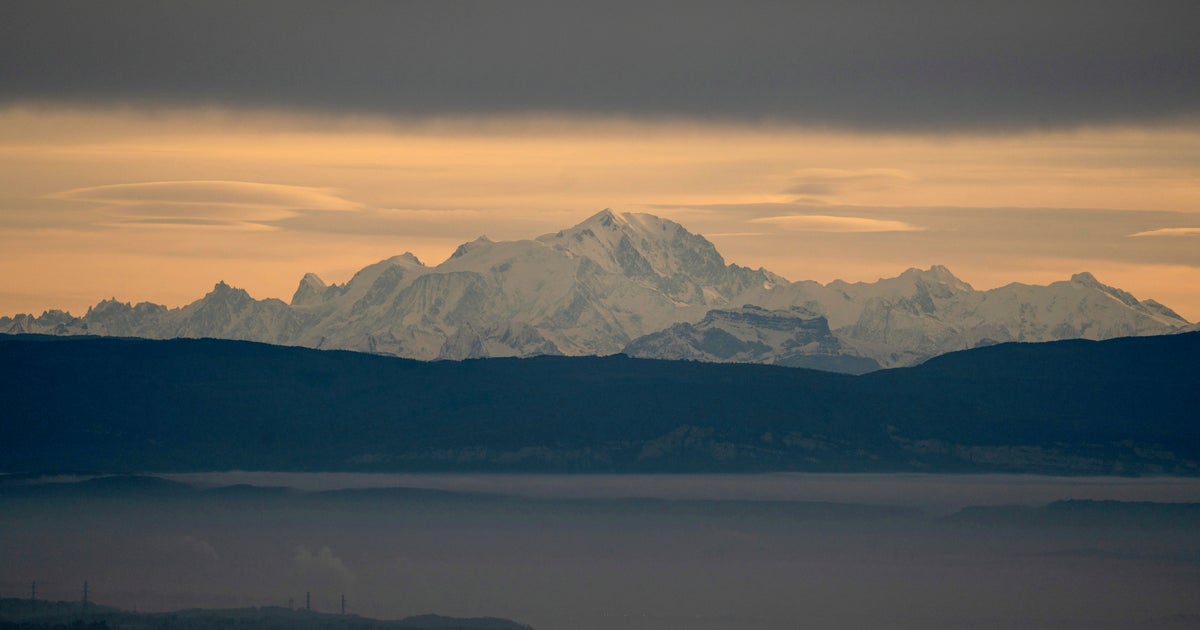
Mont Blanc, a majestic and challenging peak, is not located in any US state or territory. Instead, it proudly stands in the Graian Alps, straddling the border between France and Italy, making it the highest mountain in Western Europe. Its sheer size and formidable terrain attract mountaineers and adventurers from across the globe, but any incident that occurs on its slopes falls under the jurisdiction of European authorities.
Consider the practicalities:
- Jurisdictional Boundaries: Local US police departments, sheriff's offices, and state highway patrols are responsible for incidents within their legal boundaries. An accident occurring thousands of miles away in the Alps is simply outside their operational scope.
- Reporting Standards: The type of incidents reported by local US agencies (e.g., car crashes, property damage, slip-and-falls) differs significantly from the specialized reporting required for high-altitude mountaineering accidents, which often involve complex rescue operations, specific equipment failures, and unique environmental factors.
- Data Silos: Accident reporting systems are designed to serve specific local needs, from insurance claims to urban planning and public safety initiatives. There's no mechanism for them to integrate data from international mountain rescues.
Therefore, if you're specifically trying to find details about an accident Mont Blanc through databases focused on, say, Florida traffic incidents or Kansas City crime reports, you will inevitably find nothing related to the mountain itself. The information you seek exists, but in entirely different archives and jurisdictions.
Where to Find Information on Mont Blanc Accidents
For those interested in specific incidents or general safety data concerning Mont Blanc, the search needs to extend far beyond local US databases. Information regarding an accident Mont Blanc is typically documented and managed by a variety of international and specialized organizations. These include:
- Mountain Rescue Services: In France, the Peloton de Gendarmerie de Haute Montagne (PGHM) in Chamonix is the primary rescue organization responsible for Mont Blanc. In Italy, similar services like the Corpo Nazionale Soccorso Alpino e Speleologico (CNSAS) operate. These organizations often release summaries or details of significant incidents, especially those resulting in fatalities or major injuries.
- Mountaineering Federations and Clubs: Organizations like the International Climbing and Mountaineering Federation (UIAA), national alpine clubs (e.g., Club Alpin Français, Club Alpino Italiano, American Alpine Club), and various guiding associations often compile statistics, publish reports, and share safety analyses related to mountaineering accidents, including those on popular peaks like Mont Blanc.
- International News Outlets: Major incidents on Mont Blanc frequently make international headlines. Searching archives of reputable news organizations (e.g., BBC, Reuters, AFP, The Guardian, Le Monde, La Stampa) using terms like "Mont Blanc accident," "mountaineering incident Mont Blanc," or "Mont Blanc rescue" can yield significant results.
- Specialized Publications and Journals: Mountaineering magazines, academic journals focused on high-altitude medicine or mountain safety, and incident reports from guiding companies can also be valuable sources.
Understanding these alternative sources is key to a successful search. For a deeper dive into these resources, consider exploring our related article: Finding Mont Blanc Accident Data: Beyond Local US Sources.
Understanding the Risks on Mont Blanc
Mont Blanc is not just a peak; it's a dynamic, high-altitude environment fraught with inherent dangers. Understanding these risks helps put any reported accident Mont Blanc into context. Common hazards include:
- Altitude Sickness: Even experienced climbers can suffer from Acute Mountain Sickness (AMS), High Altitude Cerebral Edema (HACE), or High Altitude Pulmonary Edema (HAPE), which can be life-threatening.
- Rapid Weather Changes: The weather on Mont Blanc can shift dramatically and unpredictably, leading to whiteouts, extreme cold, high winds, and blizzards, even in summer.
- Crevasses and Seracs: Glacial travel is standard on Mont Blanc, presenting the risk of falling into hidden crevasses or being hit by collapsing ice formations (seracs).
- Rockfall and Avalanches: Thawing conditions, seismic activity, or even other climbers can trigger rockfall, while fresh snowfall and temperature fluctuations increase avalanche risk.
- Exhaustion and Exposure: The physical demands of climbing at high altitude, combined with extreme weather, can lead to severe exhaustion, hypothermia, or frostbite.
- Technical Climbing Difficulties: Depending on the route, sections of Mont Blanc require significant technical climbing skills, and missteps can be fatal.
These factors contribute to the challenging environment where an accident Mont Blanc might occur, making rescue operations complex and inherently dangerous for all involved. Due to these complexities, detailed analyses of incidents are often conducted by specialized bodies rather than general accident reporters.
Navigating the Global Landscape of Accident Reporting
The global nature of adventure sports like mountaineering means that accident reporting is far less centralized than local traffic incidents. When you search for an accident Mont Blanc, you're looking for information that transcends national borders and often involves a mosaic of reporting entities with varying standards, languages, and accessibility. This is a key reason why local US state-level reports simply fall short.
International incident data is rarely consolidated into a single, easily searchable database. Instead, researchers and interested parties often need to:
- Overcome Language Barriers: Many primary reports from French or Italian rescue services will be in their native languages, requiring translation.
- Understand Different Reporting Standards: The level of detail, the terminology used, and the focus of accident reports can vary significantly between countries and organizations.
- Navigate Data Privacy Regulations: European privacy laws (like GDPR) can affect what information is publicly released about individuals involved in accidents.
- Consult Multiple Sources: A comprehensive understanding of "accident Mont Blanc" trends or specific events often requires cross-referencing information from news, official reports, and mountaineering communities.
This multi-faceted approach highlights the complexities of tracking global incidents compared to localized ones. To further understand the limitations of relying solely on US-centric data, you might find this article insightful: Mont Blanc Accident Search: Why US State Reports Fall Short.
Practical Tips for Researchers and Enthusiasts
If you're genuinely seeking information about an accident Mont Blanc, here are some actionable tips:
- Specify Your Search: Instead of vague terms, use "Mont Blanc climbing accident [year]," "PGHM Chamonix incident report," or "Mont Blanc rescue fatalities [year]."
- Utilize International Search Engines: While Google is global, consider specifying your search to French or Italian news sites if you can manage the language.
- Consult Mountaineering Forums and Communities: Online forums dedicated to climbing the Alps or Mont Blanc often discuss recent incidents, sometimes with firsthand accounts or links to local news.
- Check Official Websites: Regularly visit the websites of the PGHM Chamonix, the French National Mountain and Caving Rescue (Secours en Montagne), and similar Italian organizations.
- Review Academic Studies: Universities and research institutions sometimes publish studies on mountain safety and accident statistics, which may include data from Mont Blanc.
- Contact Guiding Companies: Reputable guiding services operating on Mont Blanc often have safety briefings and may track incidents relevant to their operations.
By adopting a targeted and international approach, you greatly increase your chances of finding accurate and valuable information regarding Mont Blanc incidents.
Conclusion
The absence of "accident Mont Blanc" data in local US state and county accident reports is not an oversight, but a logical outcome of geographical boundaries and jurisdictional responsibilities. American agencies focus on incidents within their purview, leaving reports of mountaineering mishaps on Europe's highest peak to the specialized rescue services, alpine clubs, and international media of France and Italy. For anyone seeking information on an accident Mont Blanc, the key is to look beyond local US databases and leverage the wealth of international, specialized, and often multilingual resources available. This approach not only yields the desired information but also offers a broader understanding of the unique challenges and reporting landscapes associated with high-altitude mountaineering.